Published January 11, 2026
What Is an Off-Grid Solar Generator? (Simple Explanation)
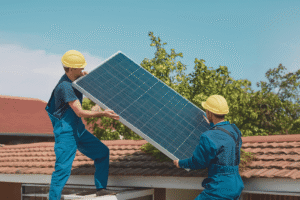
An off-grid solar generator is a self-contained power system that converts sunlight into usable electricity without relying on the traditional electrical grid. Unlike conventional generators that burn fuel, these systems harness renewable energy from the sun, store it in batteries, and deliver clean power whenever you need it—whether you're camping in the wilderness, preparing for emergencies, or living completely independent of utility companies.
Understanding off-grid solar power begins with grasping a fundamental concept: "off-grid" simply means disconnected from the main electrical infrastructure that powers most homes and businesses. When you're off-grid, you're producing, storing, and managing your own electricity entirely independently.
How Off-Grid Solar Generators Actually Work
The process behind off-grid power systems explained is remarkably straightforward, despite the sophisticated technology involved. Solar panels capture photons from sunlight and convert them into direct current (DC) electricity through the photovoltaic effect. This raw DC power then flows into the system's battery for storage, where it waits until you need it.
When you plug in a device or appliance, the stored DC electricity passes through an inverter, which converts it into alternating current (AC)—the type of power that most household electronics and appliances require. A charge controller manages this entire process, ensuring batteries charge efficiently without overcharging or depleting too quickly.
The beauty of this system lies in its simplicity and self-sufficiency. During daylight hours, solar panels generate electricity that simultaneously powers your devices and charges your batteries. After sunset or during cloudy weather, your batteries supply the stored energy, keeping everything running smoothly without any connection to conventional power lines.

Essential Components: The Building Blocks of Off-Grid Power
Every off-grid solar generator contains four fundamental components that work together to create a reliable power system. Understanding each part helps demystify how these systems deliver consistent electricity.
The Battery: Your Energy Reservoir
The battery serves as the heart of any off-grid renewable energy system. Modern solar generators typically use lithium-ion batteries, though some larger systems still employ lead-acid variants. The battery's capacity, measured in watt-hours (Wh) or kilowatt-hours (kWh), determines how much energy you can store and ultimately how long you can power your devices.
Think of the battery as a reservoir—solar panels fill it during sunny periods, and you draw from it whenever needed. Battery quality significantly impacts system performance, lifespan, and safety. High-quality lithium batteries can endure thousands of charge cycles while maintaining efficiency, whereas cheaper alternatives may degrade rapidly.
The Inverter: Your Power Translator
The inverter transforms DC electricity from your batteries into AC power that standard appliances can use. This conversion process is critical because most modern electronics—from laptops to refrigerators—require AC electricity to function properly.
Inverters come in different types, with pure sine wave inverters being the gold standard for off-grid systems. These produce smooth, clean electricity identical to what utility companies provide, ensuring sensitive electronics operate safely.
Modified sine wave inverters cost less but may cause issues with certain devices.
Inverter capacity, measured in watts, determines which appliances you can run simultaneously. A 2000-watt inverter can handle most small household items, while larger systems may feature 3000-watt or higher-capacity inverters for powering multiple devices or heavy-duty equipment.
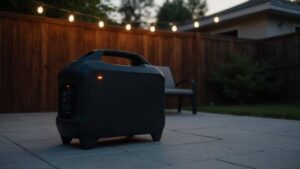
The Charge Controller: Your System's Guardian
Often overlooked by beginners, the charge controller plays a vital protective role in off-grid power systems. This component regulates the voltage and current flowing from solar panels to batteries, preventing overcharging that could damage or destroy your energy storage.
Maximum Power Point Tracking (MPPT) controllers represent the most efficient technology available, optimizing energy harvest even in less-than-ideal conditions. They adjust their input to extract maximum available power from solar panels regardless of temperature variations or partial shading.
PWM (Pulse Width Modulation) controllers offer a more affordable alternative for smaller systems, though they sacrifice some efficiency. Choosing the right charge controller depends on your system size and performance expectations.
Solar Panels: Your Energy Collectors
While often considered separately, solar panels integrate seamlessly with portable solar generators or connect to stationary systems. These photovoltaic modules capture sunlight and initiate the entire power generation process.
Panel efficiency, measured as a percentage, indicates how much sunlight gets converted into electricity. Modern panels typically range from 15% to 22% efficiency. Higher-efficiency panels cost more but require less surface area to generate the same power—an important consideration when space is limited.
Grid and Off-Grid Solar Power: Understanding the Difference
The distinction between grid-tied and off-grid solar power fundamentally changes how systems operate and what they can achieve. Grid-tied systems remain connected to utility infrastructure, using the electrical grid as a virtual battery. Excess solar production flows back into the grid, often earning credits through net metering programs, while the grid supplies power when solar production falls short.
Off-grid systems operate in complete isolation. They must generate and store all the electricity you need, with no safety net from utility companies. This independence offers freedom from power bills and grid failures but requires careful planning to ensure your system meets all energy demands.
Many people assume off-grid living means sacrifice, but modern solar generators have eliminated most compromises. Properly sized systems can power entire households, running everything from air conditioning to power tools without limitation.
Common Misconceptions About Off-Grid Solar Generators
Several myths persist about off-grid solar technology, often discouraging people from exploring this viable energy solution.
Misconception #1: Solar generators can't power real appliances.
Modern systems easily handle refrigerators, microwaves, televisions, and even air conditioners when properly sized. The key is matching system capacity to your specific needs.
Misconception #2: You need constant sunshine for reliable power.
While solar production does depend on sunlight, adequate battery storage ensures continuous power through nights and cloudy periods. Most systems are designed with multiple days of backup capacity.
Misconception #3: Off-grid solar is only for remote cabins.
People choose off-grid power for various reasons—emergency preparedness, reducing carbon footprints, achieving energy independence, or simply avoiding utility costs. Location matters less than motivation.
Misconception #4: Solar generators are the same as gasoline generators.
Despite sharing the "generator" name, these systems operate completely differently. Solar generators produce silent, emission-free power with no fuel costs, while gas generators require constant refueling and maintenance.
Misconception #5: Bigger is always better.
Oversizing your system wastes money and resources. The optimal setup matches your actual energy consumption patterns, not theoretical maximum capacity.
Choosing the Right Off-Grid Solar Generator
Selecting an appropriate system requires honest assessment of your power needs and usage patterns. Small portable units ranging from 200Wh to 1000Wh suit camping trips, tailgating, or emergency phone charging. Medium systems between 1000Wh and 3000Wh handle weekend getaways, RV living, or backup power for essential home devices.
Larger systems exceeding 3000Wh—or featuring expandable battery banks—can support full-time off-grid living or comprehensive whole-home backup during extended outages. These sophisticated setups rival traditional home electrical systems in capability while offering the advantages of renewable energy.
Understanding off-grid solar power empowers you to make informed decisions about energy independence. Whether you're preparing for emergencies, exploring remote locations, or committing to sustainable living, solar generators provide reliable, clean electricity without the limitations and environmental impact of fossil fuel alternatives.
The technology has matured dramatically over the past decade, transforming from expensive novelty to practical necessity. As battery costs continue declining and efficiency improves, off-grid renewable energy becomes increasingly accessible to anyone seeking freedom from conventional power infrastructure.
Your journey toward energy independence begins with education. By understanding how these systems work, what components they require, and how they differ from grid-tied alternatives, you're equipped to evaluate options and choose a solution that matches your specific needs—whether that means powering a smartphone during weekend camping trips or running an entire household completely independent of utility companies.