Published January 12, 2026
What Can a Small Off-Grid Solar Generator Power?
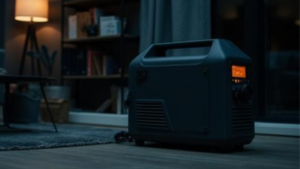
Small off-grid solar generators have surged in popularity as affordable entry points into renewable energy, but understanding their capabilities—and limitations—is essential before investing. These compact power stations typically range from 200 to 500 watt-hours of battery capacity, making them portable enough to carry with one hand yet powerful enough to handle surprising amounts of everyday electronics.
The question isn't whether small systems are useful, but rather whether they align with your specific power needs. Setting realistic expectations prevents disappointment and helps you determine if a compact unit suits your situation or if you need something more robust.
Decoding Power Ratings: What "300W" Actually Means
When manufacturers list specifications like "300W" or "500Wh," they're describing two different but equally important measurements that determine what your system can accomplish.
Watt-hours (Wh) represent total energy storage capacity—essentially how much electricity your battery can hold. A 300Wh battery stores enough energy to run a 300-watt device for one hour, a 150-watt device for two hours, or a 30-watt device for ten hours. This measurement tells you how long your power will last.
Continuous watts indicate the maximum power output your inverter can deliver at any given moment. A generator rated for 300W continuous output can run devices totaling 300 watts simultaneously. Exceeding this limit triggers overload protection, shutting down the system to prevent damage.
Many units also specify surge watts or peak watts, representing brief power spikes the inverter can handle during device startup. Refrigerators, power tools, and motors often require 2-3 times their running wattage for a few seconds when initially powering on. A generator with 300W continuous output might handle 600W surge capacity.
Understanding how off-grid solar generators work requires grasping this relationship between storage capacity and output power. Both factors equally constrain what you can accomplish—insufficient capacity means running out of power too quickly, while inadequate output power prevents running certain devices regardless of how much energy remains stored.
Real-World Device Power Consumption
Translating specifications into practical usage requires knowing what common devices actually consume. Here's what typical electronics draw:
Ultra-low power devices (5-15 watts): LED lights, smartphone charging, tablets, portable speakers, and small USB fans barely register on small generators. A 300Wh unit could recharge an average smartphone 20-25 times or keep LED camping lights running for days.
Low power devices (20-50 watts): Laptops, portable fans, CPAP machines, and small televisions represent the sweet spot for compact systems. A 300Wh generator runs a 30-watt laptop for approximately 8-10 hours accounting for inverter efficiency losses—perfect for remote work or entertainment during camping trips.
Medium power devices (50-150 watts): Small refrigerators, charging power tool batteries, blenders, and larger televisions push small generators harder but remain manageable. A 100-watt mini-fridge might run 2-3 hours on a 300Wh system, though intermittent compressor cycling extends this considerably in practice.
High power devices (150-400 watts): Coffee makers, hair dryers, portable heaters, and microwaves approach or exceed small generator capabilities. A 300W continuous output generator technically handles a 250-watt blender, but only briefly—the battery drains in roughly an hour. Many of these devices also require surge capacity beyond what compact units provide.
Devices generally too demanding (400+ watts): Full-size refrigerators, space heaters, air conditioners, electric kettles, and power tools exceed small generator specifications entirely. Attempting to run these devices either fails to start them or triggers immediate overload protection.
Why Small Off-Grid Systems Dominate the Market
Despite limitations, compact solar generators outsell larger alternatives by substantial margins. Several factors explain their popularity beyond simple affordability.
Portability transforms usability. Weighing 7-20 pounds, small units travel easily in car trunks, fit in camping gear, and require no installation. This convenience matters more to most users than maximum capacity. You'll actually bring a 10-pound generator camping; a 50-pound system stays home.
Entry-level pricing removes barriers. Small systems cost a fraction of larger alternatives, making renewable energy accessible to people testing waters before committing to major investments. Many users start small, learn their actual needs, then upgrade strategically rather than overspending initially.
Sufficient power for targeted applications. Most people don't need whole-home backup—they need specific capabilities. Keeping phones charged during outages, running a CPAP machine while camping, or powering a laptop for remote work represents perfectly reasonable expectations that small generators fulfill excellently.
Noise-free operation appeals universally. Unlike gasoline generators that announce their presence with constant droning, solar generators operate silently. This makes them acceptable in campgrounds, apartments, and neighborhoods where gas generators violate rules or disturb others.
Zero ongoing fuel costs simplify budgeting. Once purchased, small solar generators cost nothing to operate beyond occasional solar panel additions. No gasoline purchases, no oil changes, no maintenance schedules—just free solar energy whenever the sun shines.
Solar Generator Components That Enable Compact Design
Modern power station off grid capability relies on sophisticated solar generator components packed into surprisingly small enclosures. Understanding these elements explains both capabilities and constraints.
Lithium-ion batteries enable compact designs that would be impossible with older lead-acid technology. The same energy capacity weighs 60-70% less with lithium chemistry, making truly portable systems practical. These batteries also charge faster, discharge more efficiently, and tolerate deeper cycling without degradation.
Pure sine wave inverters in quality small generators produce clean electricity identical to grid power, protecting sensitive electronics like laptops and medical devices. Cheaper modified sine wave inverters save costs but risk damaging certain equipment—a tradeoff worth understanding when comparing options.
MPPT charge controllers maximize solar input efficiency, especially important for smaller systems where every watt matters. These intelligent components extract maximum available power from solar panels even in suboptimal conditions like partial shade or early morning/late afternoon angles.
Battery Management Systems (BMS) protect against overcharging, over-discharging, overheating, and short circuits—critical safety features that prevent fires and extend battery lifespan. Quality BMS circuits add cost but prove essential for reliable long-term operation.
Display screens and monitoring capabilities help users track remaining capacity, current draw, and estimated runtime. This information prevents unexpectedly draining batteries and helps develop realistic expectations about usage patterns.
Emergency Preparedness vs Daily Off-Grid Use
The intended application dramatically affects whether small generators meet your needs. Emergency backup and daily off-grid living impose vastly different demands.
For emergency preparedness, small systems excel at essential functions during power outages. Keeping phones charged, running LED lighting, powering a portable radio, and operating medical devices like CPAP machines represents realistic emergency priorities. A 300-500Wh generator handles these critical loads for multiple days when supplemented with solar panels for recharging.
However, attempting to maintain normal household routines during extended outages reveals limitations quickly. You cannot simultaneously run a refrigerator, charge devices, and power entertainment with small systems. Emergency planning requires prioritizing absolute necessities and accepting temporary lifestyle adjustments.
For daily solar generator off grid use—weekend camping, van life, or remote work situations—small generators shine when expectations align with capabilities. Weekend campers running lights, charging devices, and occasionally blending smoothies find compact systems perfectly adequate. The key is planning activities around available power rather than expecting unlimited electricity.
Full-time off-grid living demands different infrastructure. While some minimalists successfully power entire tiny homes with multiple small generators or expandable systems, most find this approach frustrating compared to properly sized larger setups. Daily refrigeration, water pumping, cooking, and comfort devices quickly exceed compact system capabilities.
Where Small Systems Fall Short
Honest assessment of limitations prevents frustration and wasted investment. Small off-grid generators cannot effectively power:
Heating or cooling devices. Space heaters, air conditioners, and electric blankets consume enormous power relative to small battery capacities. Running a 1500W space heater depletes a 300Wh battery in approximately 12 minutes—completely impractical.
Kitchen appliances beyond basics. While you might blend a smoothie or briefly run a small coffee maker, forget about microwaves, toasters, electric kettles, or anything generating heat through resistance. These devices drain small batteries in minutes.
Continuous refrigeration. Small portable refrigerators specifically designed for low power consumption work acceptably, but standard household refrigerators exceed both wattage output and battery capacity constraints. Intermittent cooling during emergencies remains possible, but 24/7 operation isn't.
Power tools and workshop equipment. Drills, saws, compressors, and similar tools require both high continuous watts and substantial surge capacity that small generators cannot provide. Charging tool batteries works fine; running tools directly doesn't.
Multiple simultaneous devices. Small systems force choosing between devices rather than running everything simultaneously. You can charge a laptop OR run lights OR power a fan—but probably not all three at once without exceeding output limits.
Extending Runtime Through Smart Power Management
Understanding power consumption patterns allows maximizing small generator utility through strategic usage.
Prioritize efficient devices. LED lights instead of incandescent, laptops instead of desktops, and USB-powered gadgets instead of AC devices stretch available capacity considerably. Every efficiency gain compounds.
Time energy-intensive activities. Run your blender during peak solar production when panels replenish batteries simultaneously. Charge all devices together during sunny periods rather than spreading consumption throughout the day and night.
Add solar panels appropriately. Most small generators accept solar input between 60-200 watts. Quality panels in direct sunlight provide 4-5 hours of peak production daily, potentially matching or exceeding daily consumption for light usage patterns.
Monitor remaining capacity religiously. Running lithium batteries completely dead shortens their lifespan. Stopping use around 20% remaining capacity and recharging promptly protects your investment.
Accept usage patterns differ from grid living. Off-grid life, even temporarily, means adapting to available resources rather than expecting unlimited power on demand. This adjustment represents the largest challenge for most users.
Making the Small Generator Decision
Small off-grid solar generators serve specific niches excellently while falling short for others. They're ideal for weekend recreation, emergency phone/medical device power, remote work situations with modest power needs, and anyone testing solar technology before larger commitments.
They're inadequate for maintaining standard household power consumption, running heating/cooling devices, operating most kitchen appliances beyond basics, or supporting power-hungry hobbies like woodworking.
Before purchasing any system, calculate your actual power needs by listing devices you'll run, their wattage, and usage duration. This simple exercise reveals whether small generators match your requirements or if you need larger capacity from the start.
The technology behind how off-grid solar generators work hasn't changed—physics limits what compact batteries and inverters can achieve. What has changed is efficiency, affordability, and reliability, making small systems viable solutions for millions of users with appropriate expectations.
Understanding both capabilities and limitations ensures your investment delivers satisfaction rather than disappointment—the difference between a tool that enhances your lifestyle and an expensive paperweight collecting dust.
Comments